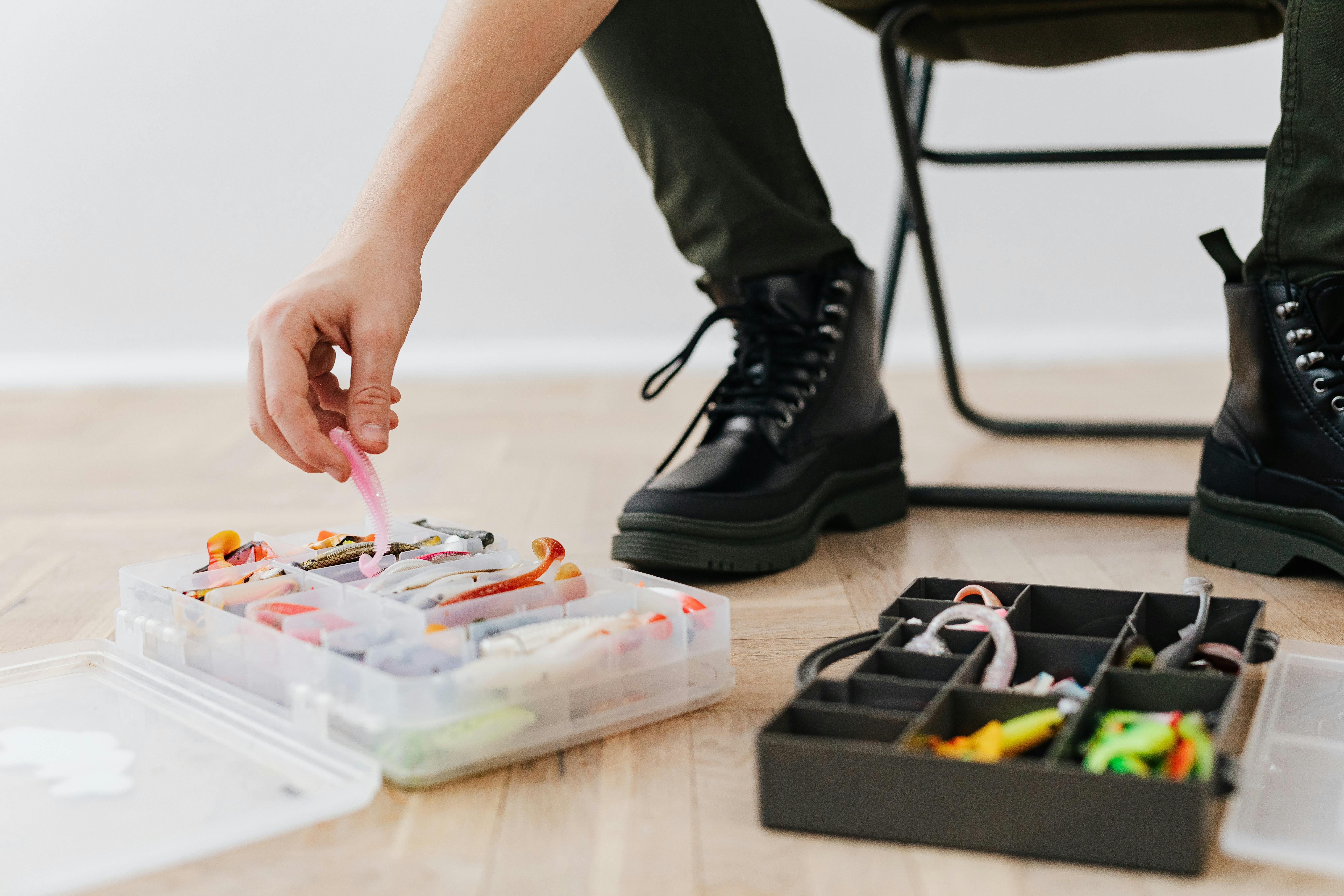
A tackle box usually fails at the worst possible moment - when a hook tangles into soft plastics, terminal tackle spills into the bottom tray, or the lid won’t stay shut on a rough ride to the water. If you’re shopping for the best fishing tackle storage boxes, the goal is simple: keep gear sorted, protected, and easy to grab when the bite turns on.
The right storage box depends less on brand hype and more on how you fish. A weekend bass angler with trays full of crankbaits needs something very different from a shore fisherman carrying a light setup or an ice angler packing compact gear into a sled. Good storage saves time, cuts frustration, and helps you make better use of the gear you already own.
What makes the best fishing tackle storage boxes worth buying
A solid tackle storage box does three jobs well. First, it organizes lures, hooks, weights, leaders, and tools in a way that matches your style of fishing. Second, it protects gear from water, impact, and constant transport. Third, it lets you move fast without digging through a mess every time you want to change a bait.
That sounds basic, but the details matter. Adjustable dividers are useful if you carry a mix of hard baits and terminal tackle. Strong latches matter if your box gets bounced around in a boat, truck bed, or kayak crate. A clear lid helps when you want to spot the right jig head or spoon in low light. If you fish in wet conditions, a water-resistant seal can be the difference between clean tackle and a box full of rust.
Price matters too, but not in the way most anglers think. Buying the cheapest box can cost more if the hinges crack, compartments leak into each other, or the layout wastes space. On the other hand, not everyone needs a premium system with every extra feature. For plenty of anglers, a dependable mid-priced tray or utility box gets the job done.
The best fishing tackle storage boxes by fishing style
The easiest way to narrow down the best fishing tackle storage boxes is to match the box to where and how you fish.
For boat anglers
Boat anglers usually benefit from stackable utility trays or larger tackle systems with removable boxes. Space is available, but it still gets crowded fast once rods, electronics, rain gear, and coolers come aboard. Flat, rectangular trays are easy to stow in compartments and make better use of storage space than bulky old-school hard cases.
If you carry a lot of hard baits, look for deep compartments with adjustable dividers. If your setup leans heavily on terminal tackle, compact utility boxes with small fixed sections can keep hooks, swivels, and sinkers from sliding around. Water resistance is especially helpful here because spray, rain, and wet hands are part of the routine.
For bank and pier fishing
Mobility matters more when you’re walking to your spot. In that case, lighter tackle boxes or slim utility trays that fit into a backpack or shoulder bag usually make more sense than a large station-style box. You want enough room for essentials without hauling half your garage to the shoreline.
This is where simplicity wins. A couple of boxes organized by bait type or species can be more useful than one oversized case stuffed with everything. If you fish ponds one weekend and the surf the next, having separate boxes ready to go saves setup time.
For kayak anglers
Kayak fishing puts a premium on compact gear, one-handed access, and water protection. The best tackle storage boxes for kayaks usually have secure latches, tight seals, and dimensions that fit standard crate systems or hatch storage. Wide boxes can be awkward in a tight cockpit, so profile matters as much as capacity.
There’s a trade-off, though. More water resistance often means a tighter seal and sometimes a bulkier build. That’s worth it if you’re regularly dealing with splash and spray. It may be less important if most of your fishing is on calm inland water.
For ice fishing
Ice anglers need storage that stays organized in the cold and travels well in sleds, shelters, and compact bags. Smaller utility boxes tend to work better than large open tackle boxes because they prevent tiny jigs and terminal tackle from getting lost in transit. Clear lids help when gloves are on and you need to find gear fast.
Durability matters more here than appearance. Brittle plastic and weak latches can become a problem in freezing temperatures, so it’s smart to choose boxes built for repeated cold-weather use.
Features to look for in the best fishing tackle storage boxes
Not every feature is worth paying extra for, but a few are consistently useful.
Adjustable compartments
These give you flexibility as your gear changes through the season. Spring bass tackle, summer catfish rigs, and fall panfish jigs all take up space differently. A box that can adapt keeps you from buying separate storage for every trip.
Strong latches and hinges
This is one of the first places cheap boxes fail. A broken latch can dump gear in the truck, the boat, or the bottom of a backpack. If a box feels flimsy in your hand, it probably won’t improve after a season of use.
Clear lids
Being able to identify what’s inside without opening every tray saves time. That sounds small until you’re changing tackle in wind, rain, or fading light.
Water resistance
Not every angler needs a fully sealed box, but many benefit from at least some protection. If you fish from a boat, kayak, or the surf, this feature is easy to appreciate. If you mainly fish small local ponds in fair weather, you might prioritize value and layout instead.
Stackable sizing
Many anglers end up using more than one box. Standardized sizing makes it easier to build a storage setup that fits your boat compartment, tackle bag, or garage shelf without wasting room.
Common tackle box mistakes that waste money
A lot of anglers buy based on size alone. Bigger seems better until the box gets too heavy, too cluttered, or too awkward to carry. A better approach is to buy for your most common trip, not your once-a-year all-day outing.
Another mistake is mixing everything together. Treble-hook baits, soft plastics, weights, jig heads, and leaders all store differently. The best fishing tackle storage boxes help separate gear by use, and that matters because a clean setup gets you fishing faster.
It’s also easy to overlook corrosion. If wet lures go back into a sealed tray and stay there, moisture can linger. A water-resistant box is helpful, but you still need to dry gear after the trip when possible. Good storage supports your routine. It doesn’t replace it.
How to choose the right box for your setup
Start with the gear you use most often, not the gear you might use someday. Count how many lure categories you actually carry. Think about where the box rides - boat locker, backpack, truck, crate, or sled. Then decide whether you need quick-access trays, compact utility storage, or a larger system that combines both.
If you fish multiple seasons, modular storage is usually the smartest buy. You can keep one tray for bass, one for panfish, one for catfish, and one for saltwater terminal tackle, then swap as needed. That approach is efficient, affordable, and easier to manage than one oversized tackle box loaded with everything.
If you’re building or replacing your setup, this is also where shopping from a broad gear retailer helps. At All Weather Fishing, anglers can compare tackle storage alongside lures, terminal tackle, fishing tools, and seasonal gear in one place, which makes it easier to match storage to the rest of the loadout.
When a classic tackle box still makes sense
Old-school hard tackle boxes with lift-out trays aren’t outdated for everyone. They still work well for casual anglers, family fishing kits, and mixed-use storage where you want tools, line, bobbers, and a few bait options in one portable case. They’re also easy to keep in the car or garage for quick trips.
The trade-off is efficiency. Traditional boxes can become cluttered fast, and they usually don’t use space as well as modern utility trays. If you’re serious about organization or carry a lot of technique-specific gear, tray systems usually offer a cleaner solution.
A good tackle storage box doesn’t need to be flashy. It needs to fit your fishing, hold up in rough conditions, and help you stay ready when the window to fish is short. Pick one that matches your real-world routine, and every trip gets a little easier before the first cast.
